
Introduction
The Complete Blood Count (CBC) is one of the most essential diagnostic laboratory tests in modern healthcare. Among the multiple CPT codes used for blood count procedures, CPT 85025 is one of the most frequently billed because it represents a CBC with automated differential—a detailed lab analysis that measures multiple components of a patient’s blood. Properly understanding the clinical purpose, coding requirements, and billing considerations for CPT 85025 is critical for ensuring accurate claims submission and avoiding audit risks.
This comprehensive guide explains what CPT 85025 includes, how automated differential testing works, the clinical scenarios in which it is used, and common billing pitfalls to avoid. Whether you’re a clinical provider, laboratory professional, coder, or billing specialist, this deep-dive article provides everything needed to code and bill CPT 85025 confidently
What CPT 85025 Represents
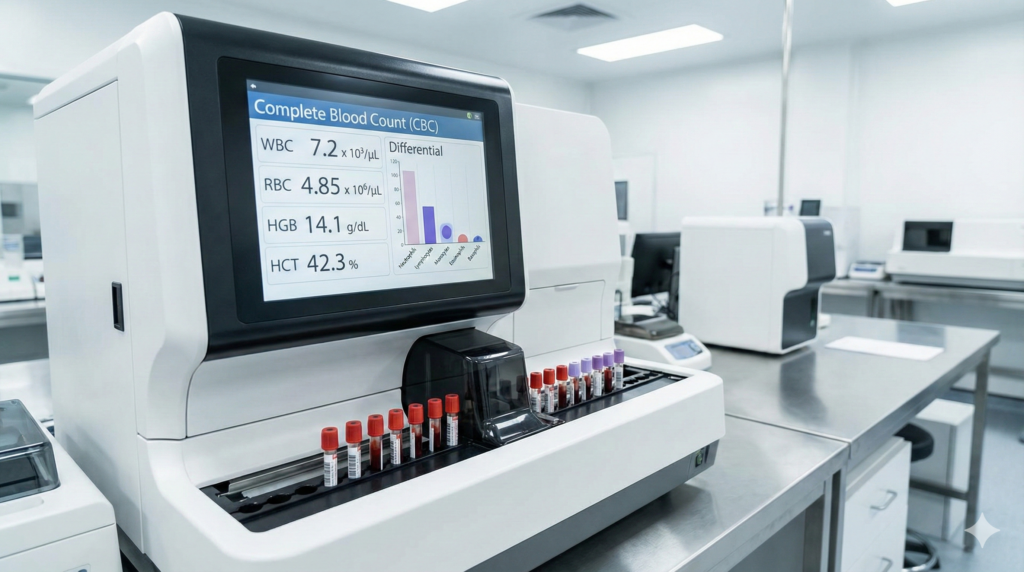
CPT 85025 describes a Complete Blood Count (CBC) that includes an automated differential of white blood cells. It is more detailed than a standard CBC because it analyzes both the quantity and types of different blood cells, offering more diagnostic clarity.
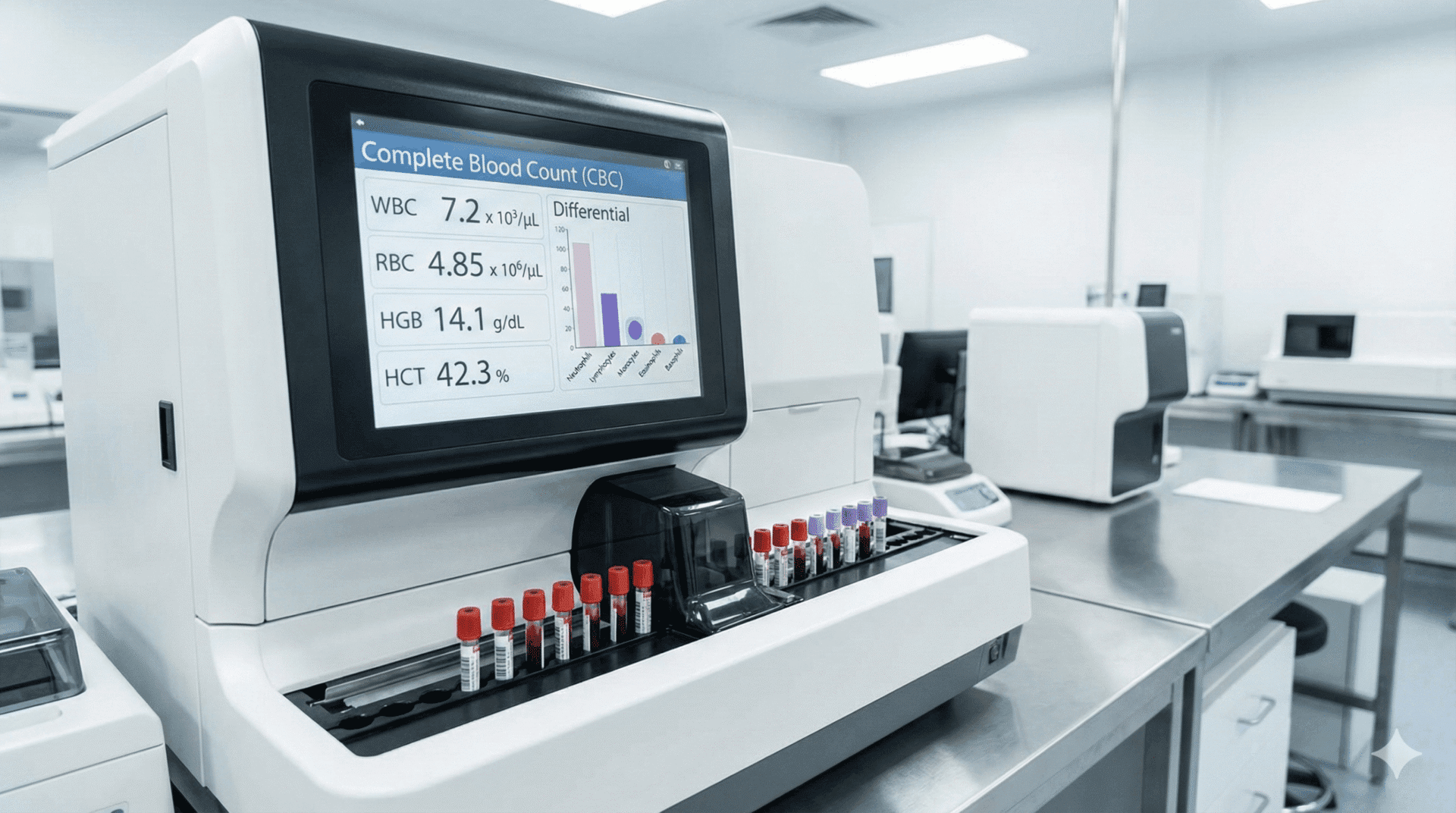
A CBC with automated differential typically reports:
- White Blood Cell (WBC) count
- Differential breakdown of WBCs, including:
- Neutrophils
- Lymphocytes
- Monocytes
- Eosinophils
- Basophils
- Red Blood Cell (RBC) count
- Hemoglobin (Hgb)
- Hematocrit (Hct)
- Platelet count
- Additional indices like:
- MCV (Mean Corpuscular Volume)
- MCH (Mean Corpuscular Hemoglobin)
- RDW (Red Cell Distribution Width)
These combined metrics create a detailed snapshot of a patient’s hematologic health.
Understanding Automated Differential Testing
Historically, differential blood counts were conducted manually by laboratory technicians using microscopy. However, modern laboratories rely on automated hematology analyzers capable of processing thousands of samples per hour.
Key advantages of automated differential testing include:
- Faster results
- Higher accuracy due to optical and impedance technology
- Reduced human error
- Immediate flagging of abnormal results
- Standardized values for clinical comparison
Automated differentials also allow clinicians to detect subtle hematologic abnormalities, such as early infections, immune dysregulation, or bone marrow disorders.
Clinical Scenarios Where CPT 85025 Is Used
A CBC with differential is one of the most frequently ordered laboratory tests across nearly all medical specialties. Providers rely on it for diagnosing, monitoring, and managing a wide range of conditions.
1. Infection and Inflammation
WBC levels and differential patterns help identify:
- Bacterial infections (↑ neutrophils)
- Viral infections (↑ lymphocytes)
- Allergic reactions (↑ eosinophils)
- Chronic inflammation
2. Anemia and Nutritional Disorders
Red blood cell indices aid diagnosis of:
- Iron deficiency anemia
- Vitamin B12 or folate deficiency
- Hemolytic conditions
- Chronic disease anemia
3. Hematologic and Oncologic Diseases
CBC results help screen for:
- Leukemia
- Lymphoma
- Myelodysplastic syndromes
4. Monitoring Chronic Conditions
Providers monitor blood trends for:
- Autoimmune conditions
- Renal disease
- Chemotherapy effects
5. Preoperative Evaluations
Surgeons frequently order CBCs to evaluate:
- Blood loss risk
- Immune function
- Potential contraindications
The wide clinical relevance of this test explains why CPT 85025 is so widely used.
Documentation Requirements for CPT 85025
Although laboratory codes typically rely on results, proper documentation is still required for billing compliance.
Required documentation should include:
- Physician order for “CBC with automated differential”
- Medical necessity for testing (must be diagnosable)
- Laboratory results with differential breakdown
- Correct specimen handling
- Interpretation when applicable
Payers often require clear justification, especially for repetitive testing.
Billing and Coding Guidelines
Correct use of CPT 85025 requires understanding reimbursement rules, payer policies, and bundling limitations.
1. Do Not Bill 85025 With Certain Bundled Panels
Medicare and commercial payers often bundle CBCs into broader laboratory panels.
For example:
- Comprehensive Metabolic Panel (CMP) does NOT include a CBC, so 85025 may be billed separately.
- Organ or disease-specific panels may restrict or bundle codes depending on payer policy.
Always check National Correct Coding Initiative (NCCI) edits before submitting claims.
2. Only Bill When Automated Differential Is Completed
If the laboratory performs CBC WITHOUT differential, the correct code is 85027, not 85025.
Many claim denials occur because:
- The lab analyzer did not complete the differential
- The test was reflexed to manual differential (which uses a different CPT code)
3. Understand When Manual Differential Codes Apply
If the automated analyzer flags abnormalities that require manual review, additional CPT codes may apply, such as:
- 85007 — Blood count; manual differential
- 85008 — Blood smear, interpretation only
However, billing for both automated (85025) and manual differential is generally not allowed unless clinically justified and supported with documentation.
4. Know the Medicare Frequency Limitations
Some payers limit how often a CBC with diff can be billed for a single patient per day or per week. Excessive testing must be medically justified.
Examples:
- Post-surgical monitoring
- Chemotherapy patients
- Suspected sepsis
Documenting “frequent monitoring needed due to clinical instability” is key.
Common Billing Errors to Avoid
1. Missing or Invalid Diagnosis Codes
Payers often deny CBC claims when submitted with:
- Non-specific diagnosis codes
- Symptoms without justification
- Missing rule-out diagnoses
Use diagnosis codes that clearly support the medical necessity of the CBC.
2. Billing 85025 When Only a CBC Was Performed
If no differential was completed, billing 85025 is incorrect and may trigger audits.
3. Lack of Proper Physician Orders
Even if the test was completed, missing documentation of the order can result in denial.
4. Repeating CBCs Too Frequently Without Justification
Especially in outpatient settings, payers may classify this as overutilization.
Best Practices for Compliance and Clean Billing
1. Ensure the Lab Analyzer Completes the Differential
Before billing 85025, confirm the machine generated:
- A full 5-part differential
- Validated cell population data
2. Use Diagnosis Codes That Match Clinical Context
Examples:
- D64.9 (Anemia)
- R50.9 (Fever)
- R53.83 (Fatigue)
- D72.9 (White blood cell disorders)
3. Document Trends When Ordering Multiple CBCs
Explain reasons such as:
- Monitoring chemotherapy
- Evaluating worsening infection
- Postoperative care
4. Integrate Automated Reporting Into the EHR
This improves accuracy and traceability.
Why CPT 85025 Matters to Healthcare Organizations
1. Supports Accurate Diagnostic Decisions
CBC with differential is foundational to detecting a wide range of conditions.
2. Ensures Reimbursement Integrity
Proper coding helps avoid:
- Denials
- Rebills
- Audits
3. Improves Quality Measures
Early diagnosis allows for better patient outcomes.
4. Provides Insight for Preventive Care
CBC trends can detect chronic disease early.
Conclusion
CPT 85025 plays a vital role in clinical diagnostics and laboratory billing. As one of the most frequently performed tests in healthcare, it requires precise coding and clear documentation. By understanding what the code represents, ensuring accurate ordering, respecting payer policies, and avoiding common billing errors, healthcare organizations can maximize reimbursement accuracy and maintain compliance.
A strong grasp of CPT 85025 ensures that clinicians receive timely results, labs remain compliant, and patients benefit from reliable diagnostic data that supports their treatment plans.